
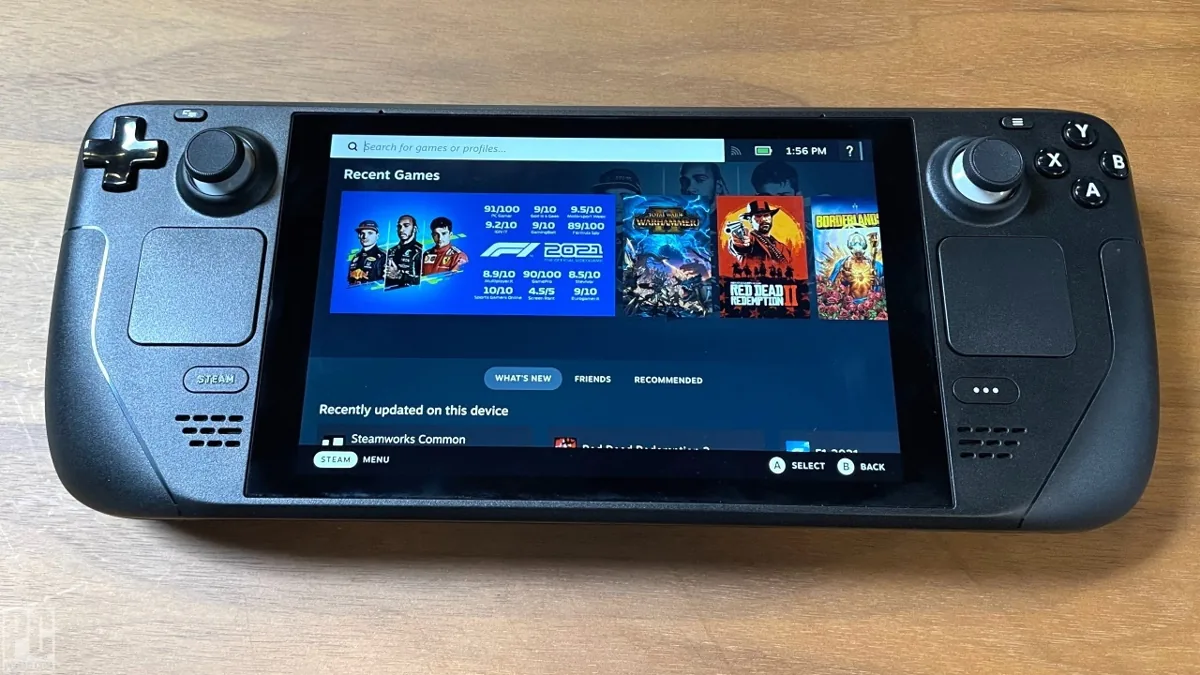
The recent massive price increase of the Steam Deck has sparked frustration among gamers, with some hyperbolically suggesting it signals broader societal collapse.
While the situation reflects real economic pressures, it does not indicate the end of civilization. Instead, it highlights specific challenges in the global technology supply chain.
The Real Causes Behind the Price Surge
Valve officially raised the price of the Steam Deck OLED models in late May 2026. The 512GB model jumped from $549 to $790, while the 1TB version increased from $649 to $950.
Valve attributes this to rising memory and storage costs driven by unprecedented demand from AI data centers, which have absorbed a significant portion of global RAM production.
Reports indicate that AI infrastructure projects reserved up to 40% of worldwide RAM capacity in 2025, causing mainstream memory prices to surge between 40% and 70%.
Why This Isn’t Civilizational Collapse
While the price hike is substantial, several factors demonstrate this is a market correction rather than an existential threat:
Supply Chain Dynamics: The shortage stems from a temporary imbalance between AI-driven demand and memory production capacity. Samsung and other manufacturers have indicated they’ve sold out production capacity through 2026, but this represents a cyclical market adjustment rather than permanent scarcity.
Historical Precedent: The gaming industry has weathered similar crises before, including GPU shortages during the cryptocurrency mining boom and pandemic-era component scarcity. Prices eventually stabilized as supply chains adapted.
Alternative Options Remain Available: Certified refurbished Steam Deck models remain at lower price points, and competitors like the Nintendo Switch 2 (despite its own upcoming price increase) continue to offer accessible gaming options.
The Broader Economic Context
The Steam Deck situation reflects wider economic pressures affecting multiple industries, including geopolitical tensions impacting oil prices, tariff policies, and the global redistribution of semiconductor manufacturing.
These are serious challenges requiring policy solutions, but they represent manageable economic adjustments rather than civilizational failure.
Looking Forward
While the current pricing makes the Steam Deck less accessible, history suggests memory markets will eventually rebalance as AI infrastructure deployment stabilizes and new production capacity comes online. The situation underscores the interconnectedness of modern technology markets but doesn’t预示 the end of consumer electronics or civilization itself.
Gamers may need to exercise patience or consider alternative platforms temporarily, but the fundamental value proposition of portable PC gaming remains intact. The Steam Deck price increase is a significant inconvenience, not an apocalypse.

Leave a Reply